Does a 5 Month Old Baby Need Ear Plugs for a Flight?
You will never await at the headphone jack and plug the same way again.
Headphone jack is dead!
Apple has killed the headphone jack.
Sounds familiar? Ever since Apple removed the headphone jack from the iPhone seven in favor of a lightning port, other smartphone companies have quickly followed suit with the removal of the once omnipresent port.
"I am Jack's complete lack of surprise."
-Fight Order
There are still a few major companies similar LG and Samsung who choose to release their flagships with the headphone jack, but I suspect that could change with the upcoming tendency of truthful wireless headphones.

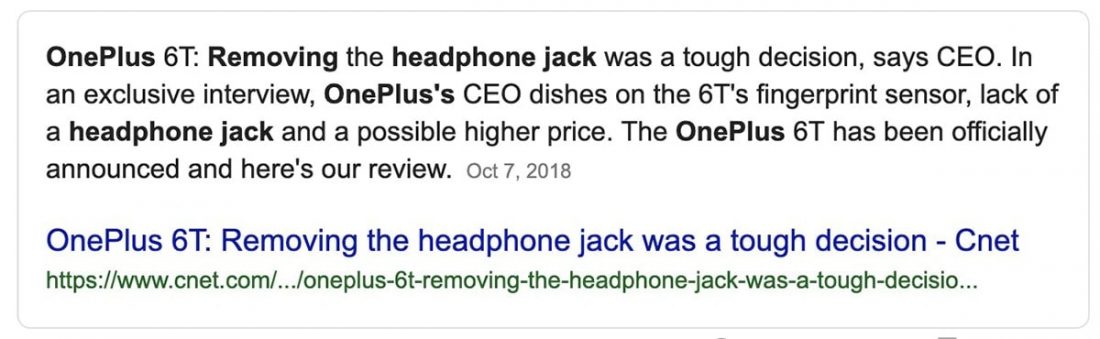
The truth is that most mainstream consumers don't care for the headphones jack. Good riddance, they say.
So, why should you lot care so?
Who Is This Guide For?
- Practice you desire to enjoy audiophile headphones that only take a wired connection?
- Are you looking to buy an amplifier for your headphones?
- Are you looking to buy and upgrade your audio cable?
- Do you want to try balanced audio?
If you answered yes to any of the to a higher place questions, this guide is for yous.
By the end of the guide, yous will exist comfortable with terms similar:
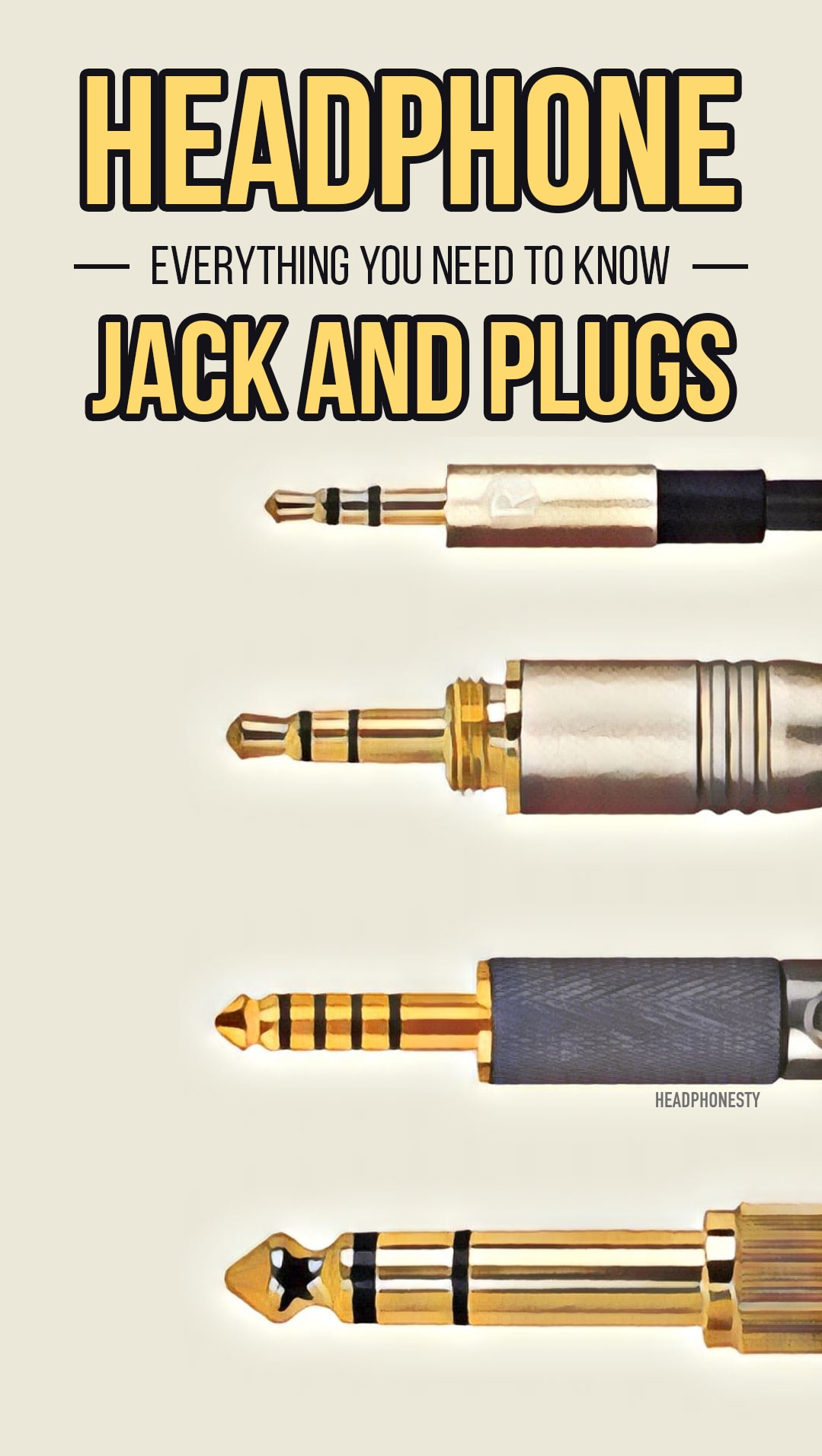
- 3-pole mini
- Stereo mini
- 3.5mm unmarried-concluded (or unbalanced) cable
- ii.5mm balanced cable
Difference between a Headphone Jack and Headphone Plug
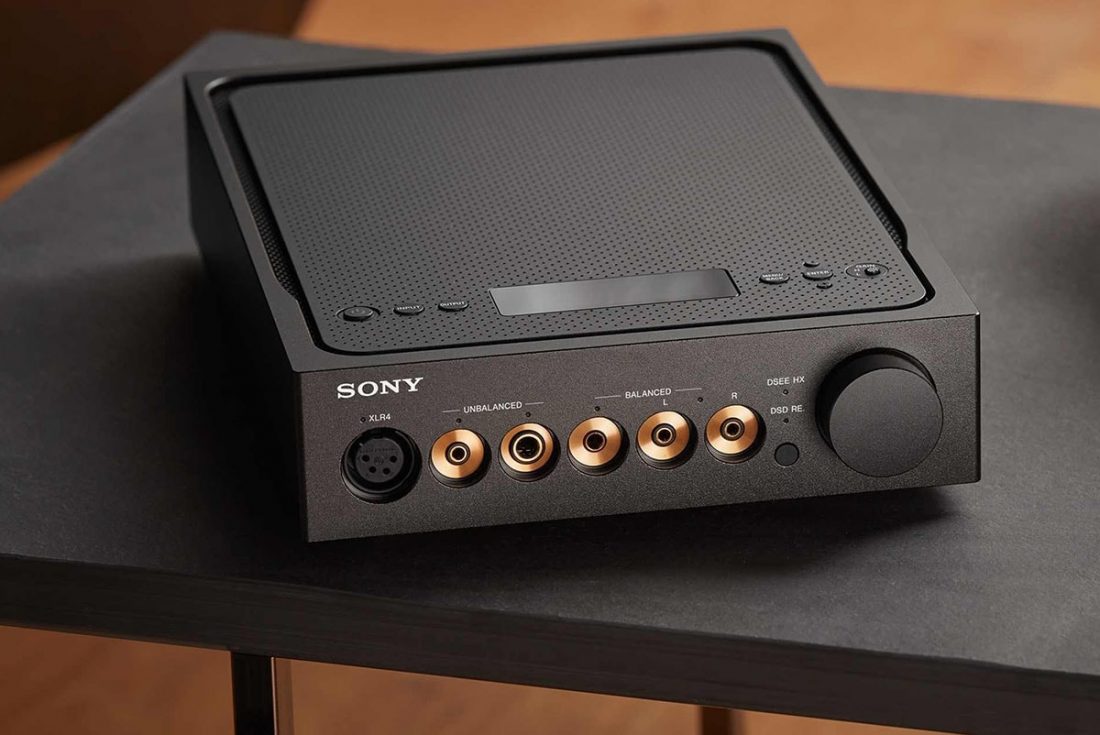
Do you see these sockets that the above Sony TA-ZH1ES have? Those are headphones jacks. It is where you insert the headphone plugs to receive audio signals.
The headphone jack is a family of electrical connectors that are typically used for analog audio signals. It is also known by other names like phone jack, audio jack, aux input, etc.
There are cases where headphone jack are used for digital audio signals. For case, the Google Chromecast tin can output either analog or digital signals off its unmarried three.5mm output jack
Female and male connectors
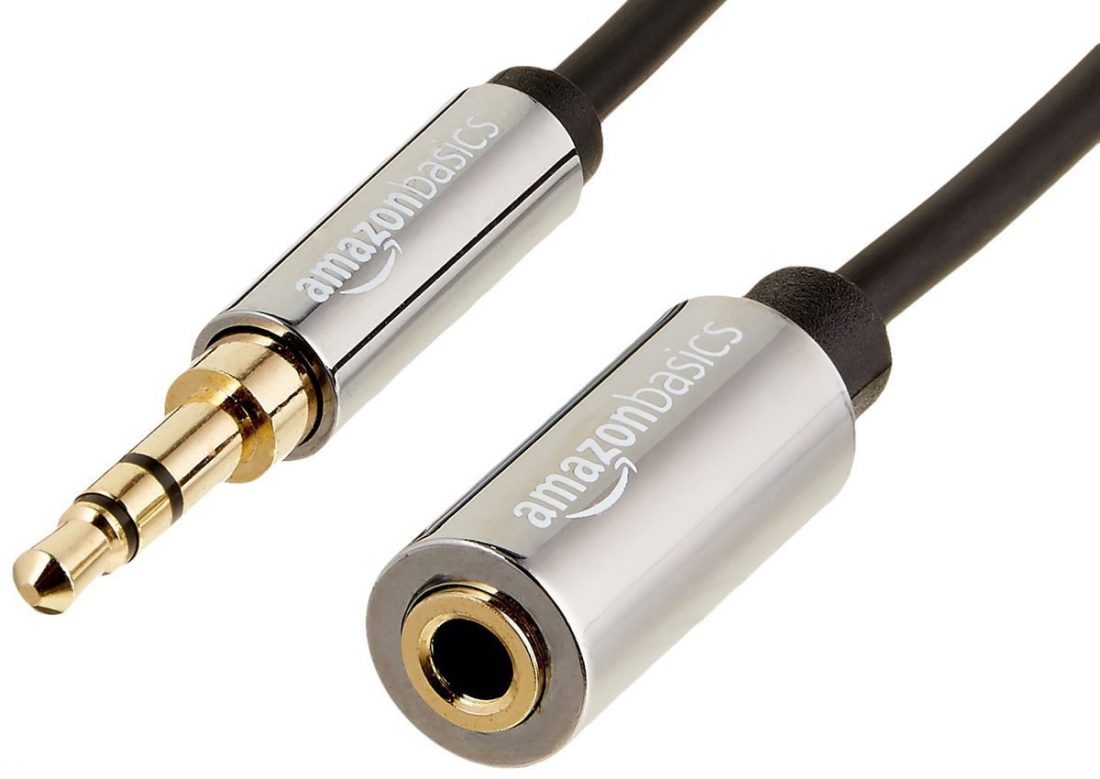
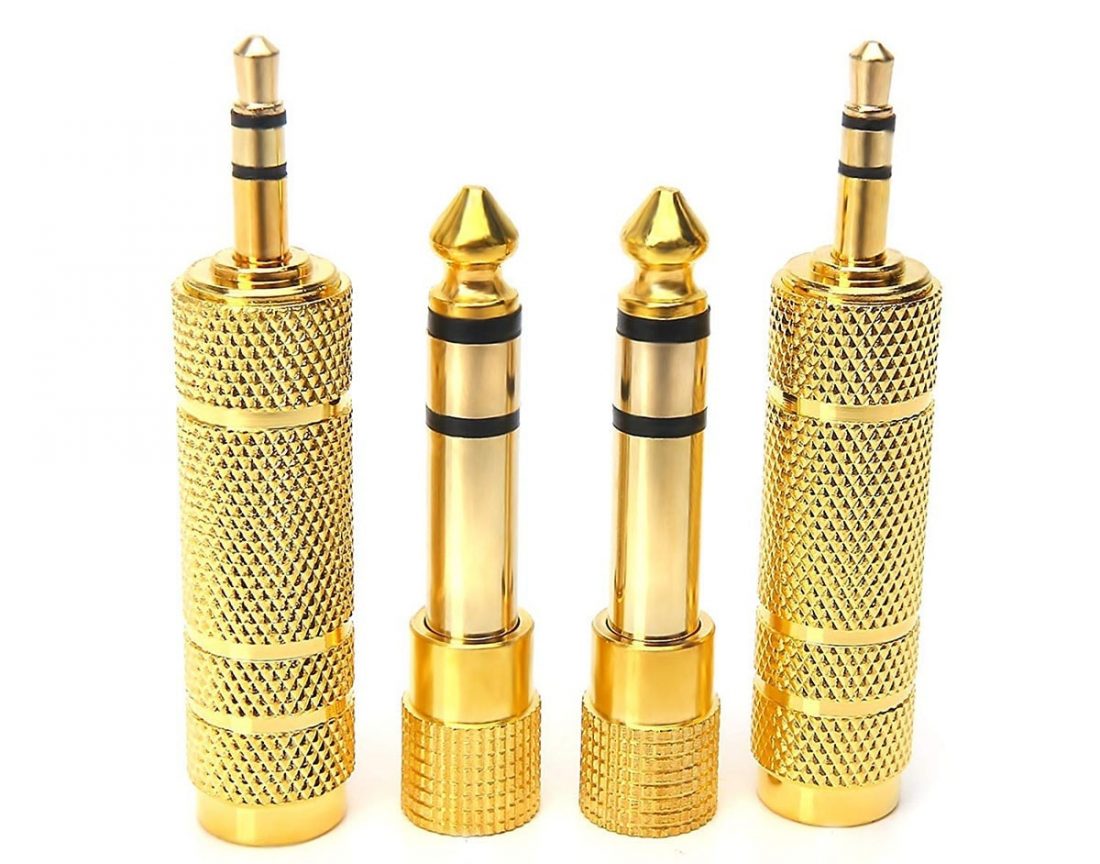
From Amazon. Male person Connector (L) Female Connector (R)
In electrical and mechanical trades and manufacturing, each one-half of a pair of mating connectors or fasteners is conventionally assigned the designation male or female. – Wikipedia
Unfortunately, the audio industry has not unified in the way the electrical and mechanical trades have to describe the different gender of connectors. Y'all volition often find the give-and-take "plug" used to describe the male connectors while "jack" used to depict the female connectors.
Evolution of the Headphone Jack
Who is jack?
The origin of the term "jack" can be traced back to 1874 when C.E. Scribner patented, what he calls, a "jack-knife" connector.
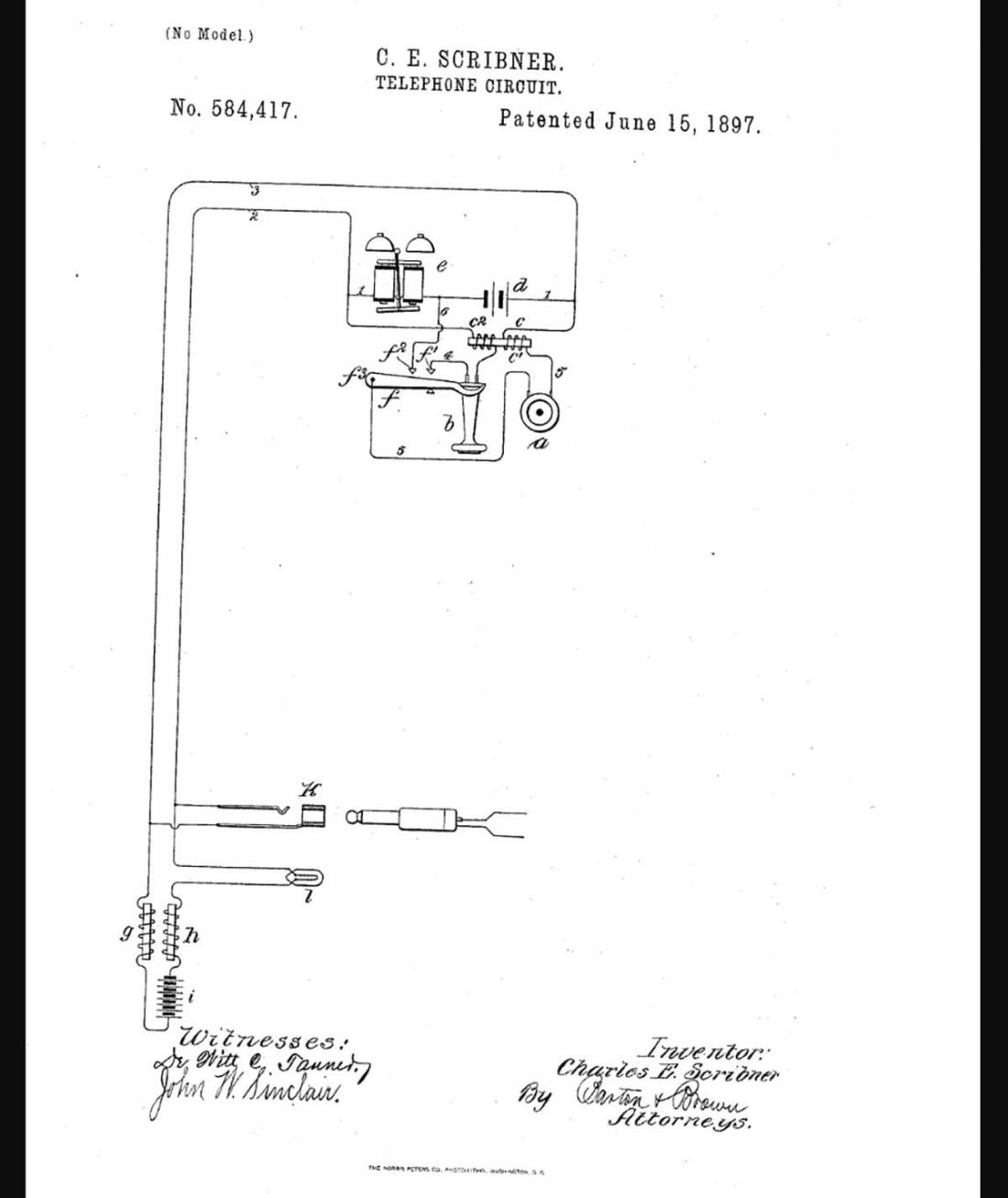
The earliest known jack was a ¼ inch (6.35mm) version and still has mainstream usages which we depict below.
Rounded to pointed tip profile
In the early development days, there were many different jack designs. The rounded tip design was particularly popular because it was compatible with different manufacturers. The rounded tip speedily gained traction as the de-facto tip profile for audio equipment.
But with the rise of stereo audio, a different tip profile was needed to prevent the old rounded tip from frying the excursion when inserted into incompatible equipment. A pointed tip jack will prevent a rounded tip plug from being inserted fully, hence solving the problem.
Anatomy of a Headphone Plug
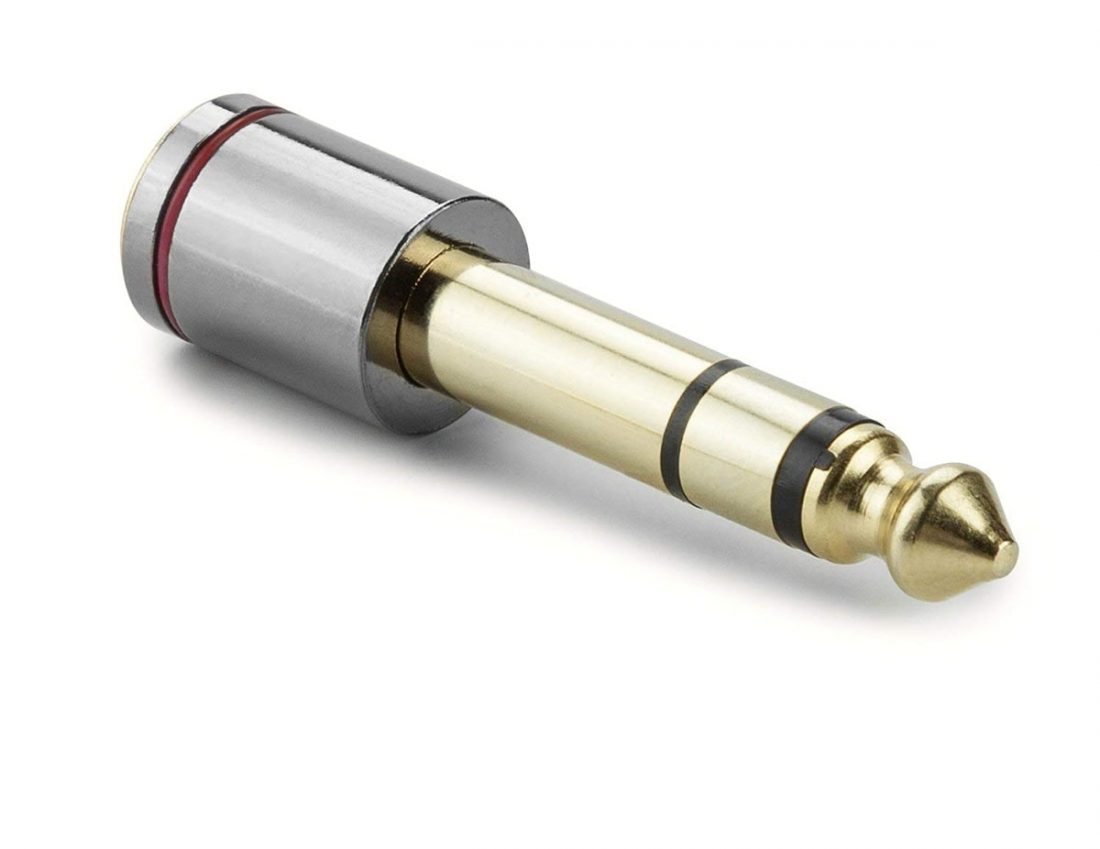
Conductors
Regardless of the plug size, all headphone plugs accept conductors. Conductors are the contact points of the plugs that shut the circuit.
A headphone plug has a minimum of 2 conductors and ordinarily upwardly to 5.
If information technology has iii conductors, it may be chosen a 3 conductor plug. Some manufacturer uses pole to replace usher. Hence, it can also exist called a three pole plug.
Identifying conductors.
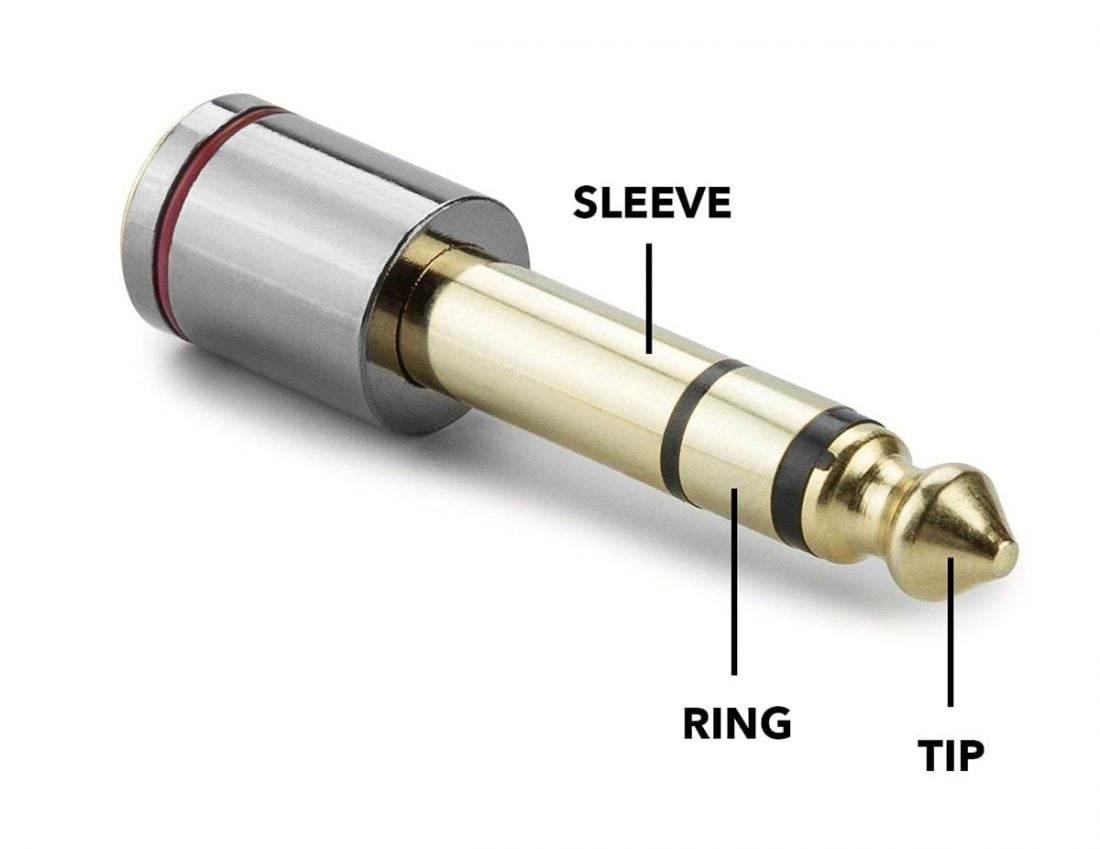
Each conductor has a specific proper noun:
- Tip (T)
- Band (R)
- Sleeve (Southward)
All plugs have at to the lowest degree a Tip and Sleeve. It is the number of Rings that differentiate them. If the plug only has one ring, it is a 3 usher plug or a TRS connector. If it has 2 rings, it is a iv usher plug or a TRRS connector.
Don't mistake the black ring every bit a ring. Information technology is an insulating band. The band separates the parts of the plug from being shorted together.
Nomenclature of the Headphone Plug:
- 2 conductor, 2 pole, TS
- 3 conductor, 3 pole, TRS
- 4 conductor, iv pole, TRRS
- 5 conductor, 5 pole, TRRRS
Different Plug Connectors configuration
Depending on available conductors, manufacturers can cull to configure jack and plug in various means. Both must exist complementary to each other.
2 conductor plug (TS)
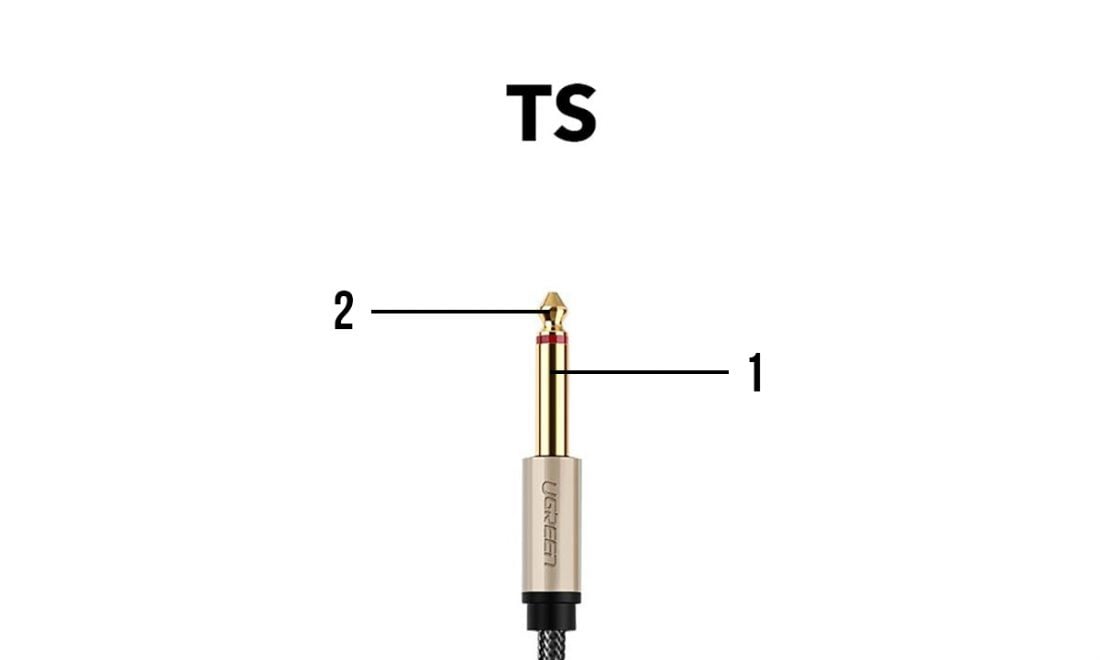
Available Connectors: But the tip and sleeve connectors are available.
Connectors Connection:
| Pivot | Function |
|---|---|
| i | Ground |
| 2 | Signal |
The connection is adequately straightforward here. I connector is used to acquit the audio signal while the other acts as a return path and ground.
The ground acts as a reference point for the signal but it besides picks upward interference noises similar an antenna. The longer the cable, the higher chance the more racket volition be picked up.
Mutual Usage: You can find TS connectors mainly with guitars, instruments, and applications that do not crave a long cable connectedness.
3 conductor plug (TRS)
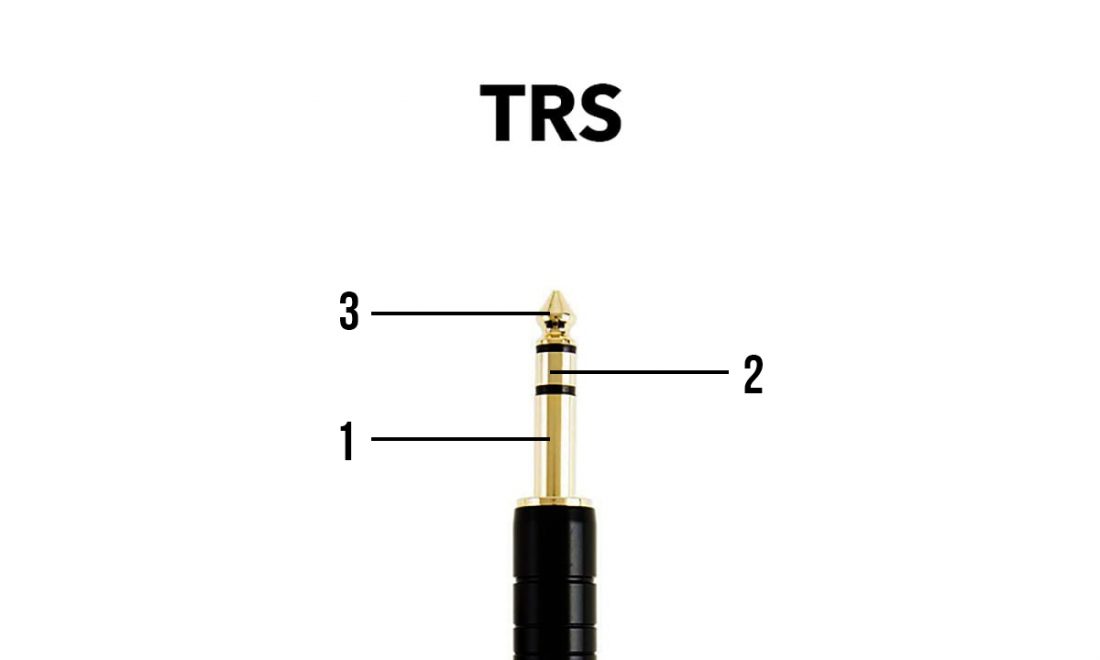
Available Connectors: Aside from the tip and sleeve, at that place is an additional band connector with two insulating bands around it.
Connectors Connectedness:
| Pin | Unbalanced Mono | Balanced Mono | Unbalanced Stereo |
|---|---|---|---|
| i | Ground | Ground | Ground |
| 2 | Optional (Mic etc) | Signal - (Cold) | Right Audio Channel |
| 3 | Bespeak | Signal + (Hot) | Left Sound Channel |
With the add-on of another conductor "R", we open upward different possibilities such equally supporting balanced mono signals and unbalanced stereo signals.
As seen in the "Unbalanced Mono" column to a higher place, the engineer can cull to make use of the additional conductor to conduct a microphone signal instead. In this case, where the audio is unbalanced, we may besides sometimes refer to this as a single-ended plug.
TRS still cannot carry a balanced stereo signal. For that, run across TRRRS connector beneath.
Common Usage: Most mutual form of jack connectors. You run across these on the cease of about stock headphone cables.
four conductor plug (TRRS)
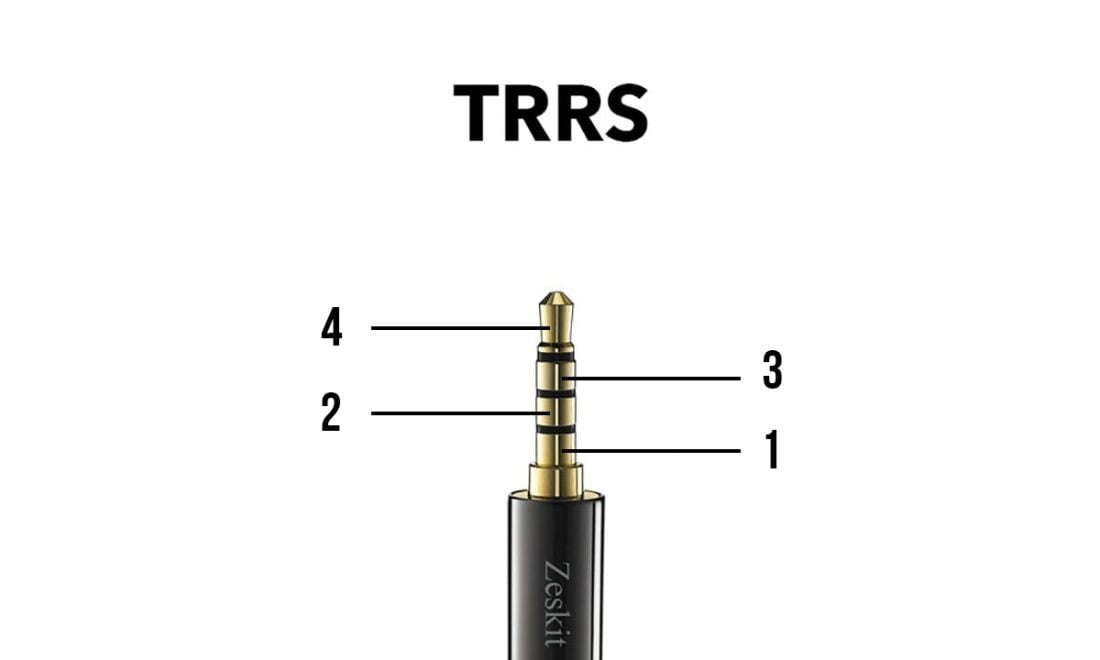
Available Connectors: With a iv conductor plug, we have two additional rings with three insulating bands.
Connectors Connexion:
| Pin | Function |
|---|---|
| 1 | Microphone |
| 2 | Ground |
| 3 | Right Audio Channel |
| 4 | Left Audio Aqueduct |
The above connection configuration follows the Cellular Telecommunications and Internet Clan (CTIA) standards. Such a connection format is also chosen the CTIA TRRS jack connector format.
Common Usage: It is the most commonly adopted standard for modernistic smartphones and gaming consoles where the cable supports a microphone and stereo audio connexion at the same time.
5 conductor plug (TRRRS)
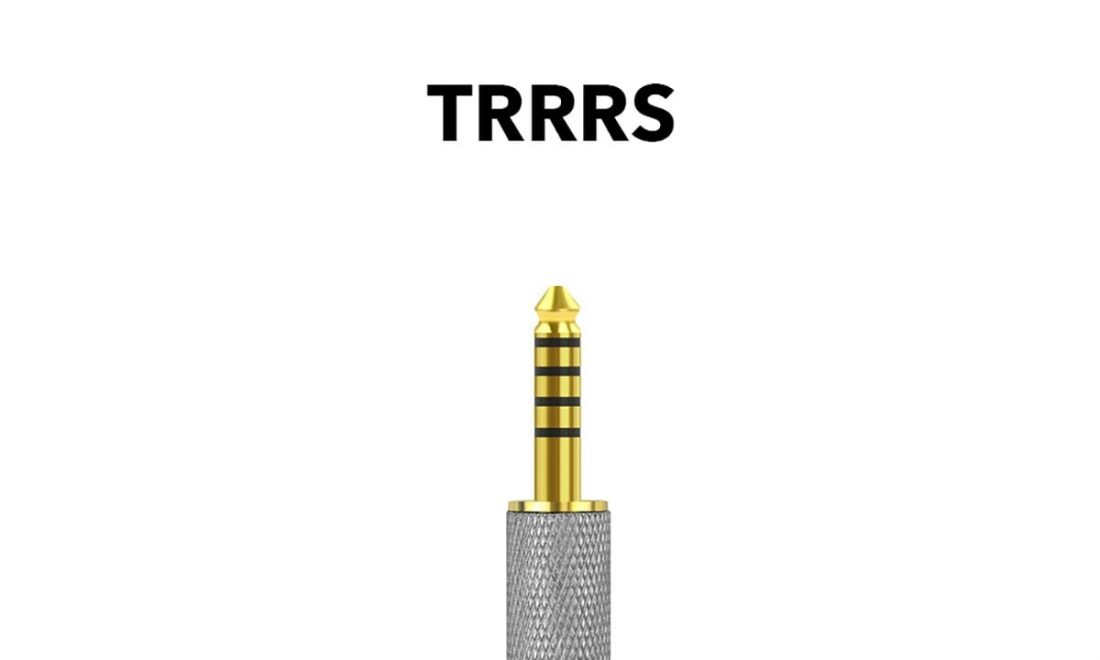
Bachelor Connectors: For a 5 conductor headphone plug, nosotros have three ring connectors.
TRRRS connectors are used to support balanced stereo point. You will find that XLR connectors (3 pin pairs, four pin, and v pin) are also a common choice for stereo balanced headphones. XLR connectors take been the standard balanced connector in the professional audio market for decades.
It is no surprise that when balanced headphone connections grew in popularity, the standard XLR became a go-to solution.
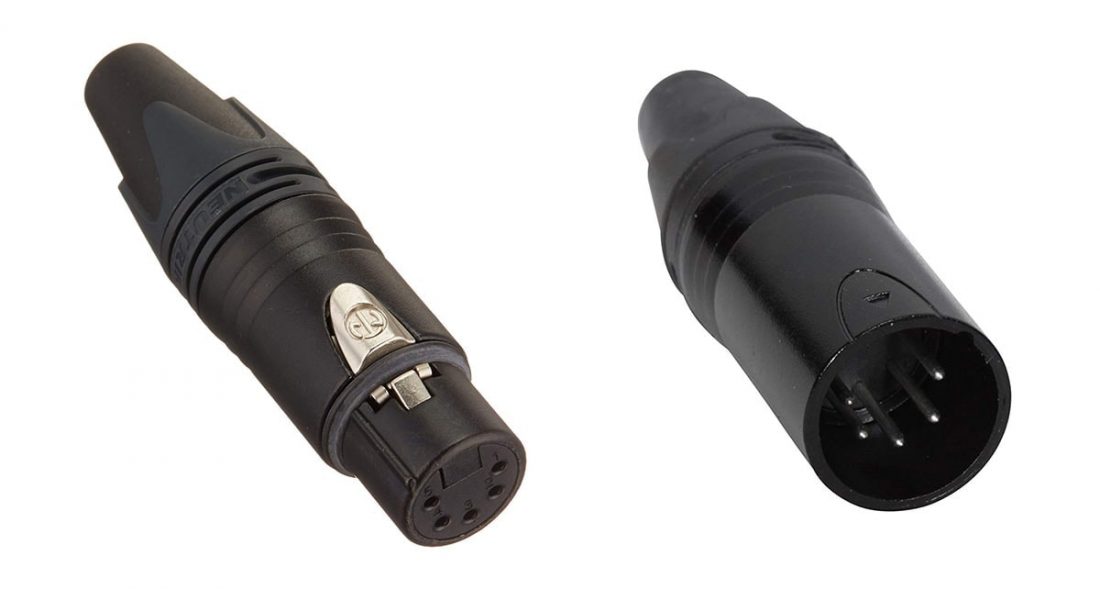
Unlike TRS connectors, XLR connectors have pins instead of tips, rings, and sleeve. Still, they piece of work the same way. The XLR5 connector has 5 conductors just like a TRRRS connector.
Sony did make a TRRRS headphone jack – 4.4mm Pentaconn connector.
Penta means "5" and conn is brusk for connector.
Please be aware that the Pentaconn connectors are new and not adopted widely by the manufacture. You either take to get an adaptor to accommodate the five pole connector or purchase a compatible Sony amplifier.
If yous are looking to make your own DIY cablevision with the 4.4mm Pentaconn connector, check out moon audio store.
Schematic of a headphone jack and plug
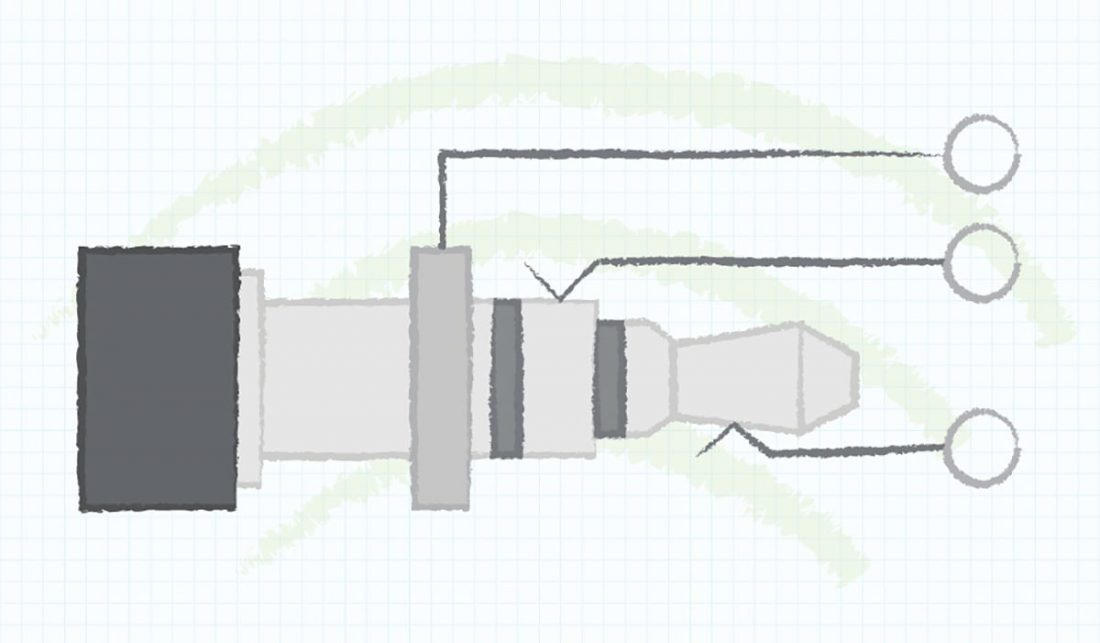
If you are interested in the schematic of a headphones jack, yous can hop on over here for a more detailed article.
Different sizes of headphone jacks/plugs
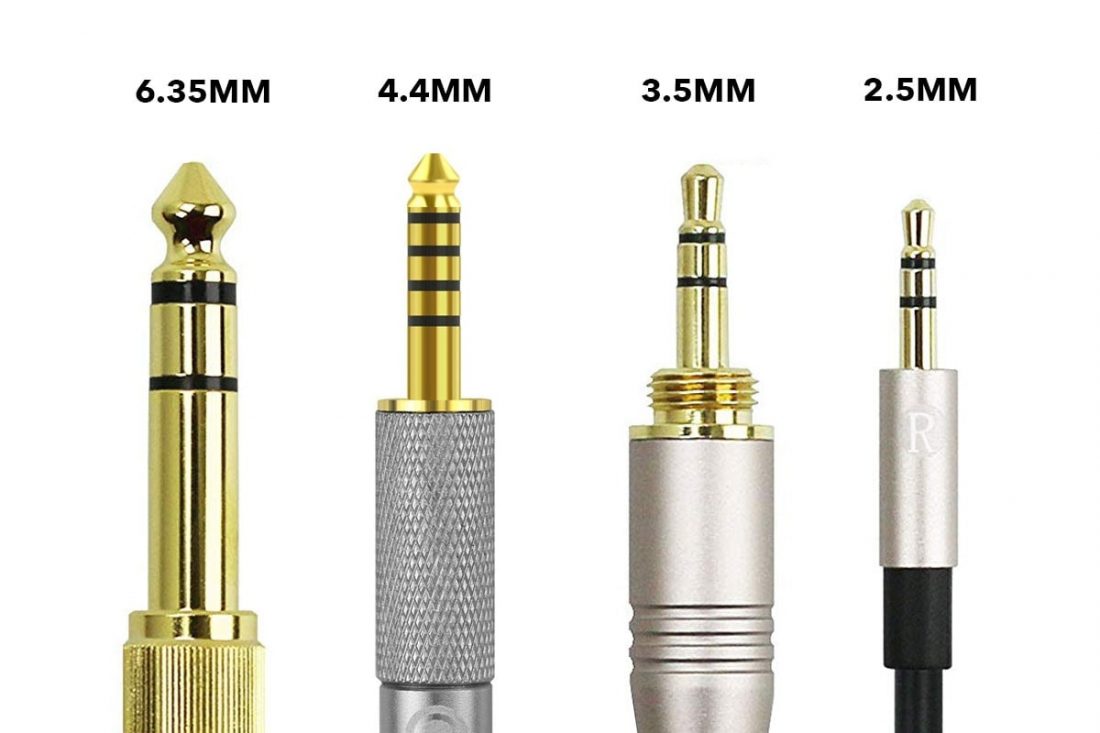
When we draw the size of the headphone jack or plugs, we are referring to the bore of the connector.
- 6.35mm Connector
This is the largest connector among the jacks. It is otherwise known as the ¼ inch connector.
| Proper name | Size | Conductors |
|---|---|---|
| UGREEN Stereo Audio Adapter | six.35mm Male to 3.5mm Female person | TRS |
| UGREEN Stereo Sound Cable | 6.35mm to 3.5mm | TRS |
- 4.4mm Connector
| Name | Size | Conductors |
|---|---|---|
| Yinyoo Upgrated 6 Cores Copper Stereo Earphone Cable | 4.4mm to MMCX | TRRRS |
| FiiO 8-Stranded Loftier-Purity Monocrystalline Silver-Plated Copper Cablevision | 4.4mm to MMCX | TRRRS |
| Geekria Apollo Balanced Gold-Plated Adapter | iv.4mm male to iii.5mm female | TRRRS |
- 3.5mm Connector
Known as the miniature size or mini for short. You can phone call it a ⅛ inch as well.
| Name | Size | Conductors |
|---|---|---|
| AmazonBasics 3.5mm Male to Male Stereo Audio Aux Cable | 3.5mm to 3.5mm | TRS |
| Zeskit Aux Audio Cablevision | 3.5mm to three.5mm | TRRS |
| Nacodex Audio Cablevision | three.5mm to 2.5mm | TRS |
| Kingtop Combo Audio Adapter Cable | 3.5mm male person to 3.5mm female | TRRS |
- ii.5mm Connector
Known as the sub-miniature or sub-mini for short.
| Name | Size | Conductors |
|---|---|---|
| NewFantasia Replacement Cable with Remote and Mic | ii.5mm to iii.5mm | TRS |
| NewFantasia HiFi Cable Balanced Male | 2.5mm to 2.5mm | TRRS |
Why does a headphone plug matter?
A headphone plug:
- directly affects the audio signal it transmits.
- indirectly affects the overall quality of sound.
- tells usa what the cablevision is capable or not capable of doing (mic, stereo support, etc).
Allow u.s. first empathize 2 basic concepts with regards to the transmitted point from the sound source to our headphones.
Mono VS Stereo Bespeak
Two types of point can be transmitted from the audio source to the headphones
- Monaural (Mono)
- Stereophonic (Stereo)
A mono signal uses only 1 audio channel while a stereo indicate uses two audio channels (left and right).
Stereo signal simulates "natural" hearing by creating the impression of audio coming from different directions. This is achieved by the separate sound channels producing sound in two different speakers (or stereo headphones). You can phone call this the "surround-audio" outcome.
Equally for mono point, the audio reproduced is intended to be heard from one position.
Balanced VS Unbalanced Audio
Counterbalanced audio is all nigh interconnecting audio equipment and transmitting signals in a "balanced" manner.
To do that, we need a combination of an audio source (amplifier) that can produce counterbalanced output and a cable that is capable of carrying that balanced output.
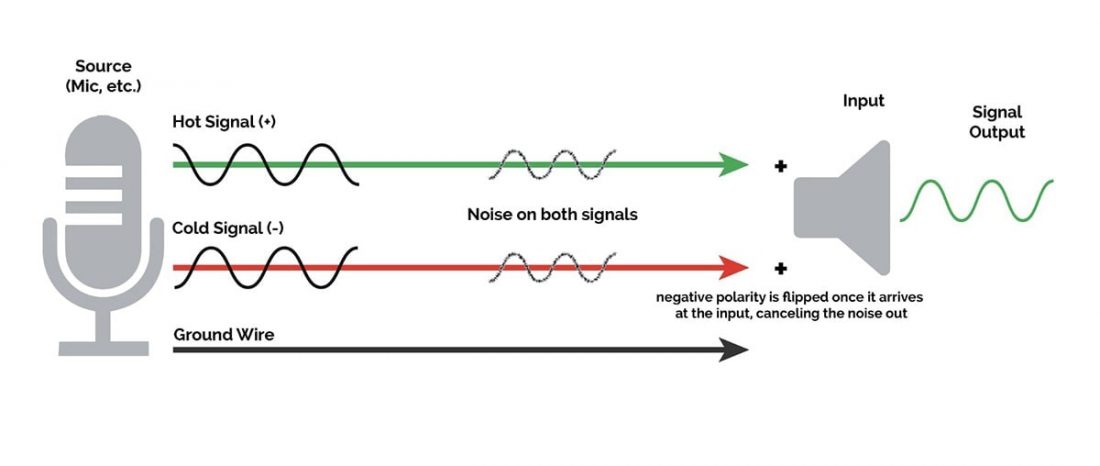
A balanced output has two betoken phases (or a hot and common cold betoken) per channel. Each stage has an equal impedance relative to ground, hence the name balanced.
A balanced mono cable typically has at least three conductors (TRS) to carry the signal to the headphones. A counterbalanced stereo cablevision has at least 5 conductors (TRRRS).
Advantage of Balanced Sound
The advantage of counterbalanced connections over unbalanced connections is the canceling of dissonance interference via a technique named Mutual Way Rejection (CMR).
Whatever noise interference that hits the two balanced phases in the cable is imprinted equally on them. The receiving equipment (headphones in our instance) just cares about the difference between the phases.
And then, interference that adds every bit to both phases creates no difference between them and is canceled out when they are recombined past the amplifier. This canceling procedure of dissonance while preserving the original sound is known as CMR.
This ways that balanced cablevision can run longer than unbalanced cable and operate in noisier environments considering it cancels whatever noise interference.
So when is audio unbalanced?
When the requirements to come across balanced audio are not met, the audio is considered unbalanced.
For example:
- The audio source is unable to produce a balanced output.
- The cable is non capable of carrying a balanced signal (TS, unmarried-concluded TRS connectors).
Plug is the cardinal
With the higher up ii concepts, you should know that y'all tin send 4 types of indicate from the output (amplifier for example) via a cablevision to a pair of headphones.
- Unbalanced mono
- Balanced mono
- Unbalanced stereo
- Balanced stereo
Whether a bespeak can be fully supported or even supported at all depends on the number of conductors found on the plug.
| Output Signal | Jack Connector | Counterbalanced Audio Connectedness |
|---|---|---|
| Balanced Mono | TS | North |
| Balanced Mono | TRS | Y |
| Unbalanced Stereo | TRS | Y |
| Balanced Stereo | TRS | Northward |
| Counterbalanced Stereo | TRRRS | Y |
Is it confusing?
Information technology tin exist hard to digest if yous are reading all this for the first time. The part where stereo uses two channels and balanced audio needing ii copies of the same signal with reverse polarity tripped me up pretty skillful, too.
An piece of cake mode to empathise is to first acknowledge that nosotros need conductors to send and carry signals.
The more than signals we need to send, the more conductors we need.
For example, if we desire to send a balanced stereo bespeak, it needs to send
- ane right aqueduct (R+),
- one flipped right channel (R-),
- one left channel audio (L+),
- 1 flipped left channel audio (50-).
In full, it needs 4 signal wire and one ground wire which only a TRRRS connector tin can provide.
Thus, if a jack with an inadequate connector is used (like a TRS connector), the headphone doesn't receive the complete set of signals to do the CMR. Hence, the whole audio connection becomes unbalanced.
Let'south Exercise Our New Skill
Permit's see if we can put our new-plant skill to expert use.
Remember the "3 pole mini" term we mentioned correct at the start of the article? What practice you remember information technology ways?
iii Pole Mini
Ans: 3.5mm TRS jack
Stereo Mini
Ans: 3.5mm TRS jack (Bonus Qns: why practise we remember is TRS and not TS?)
iii.5mm unmarried-ended cable
Ans: 3.5mm TRS jack (Bonus Qns: Is this a balanced cablevision?)
2.5mm balanced cable
Ans: 2.5mm TRS jack that tin can carry balanced signals

Practice you come across that the FiiO Q5 had 2 outputs? One with a headphone logo, another with "BAL" sign. Do you understand what that ways?
Lastly, another practise question.


Run across if you tin read the "Headphone Output" specifications of the Sony TA-ZH1ES and sympathise what they mean.
If you do, congratulations! You just leveled upwardly your audiophile knowledge.
Do you like this commodity? Did we miss anything? Permit united states of america know in the comment section beneath.
martinmitersell1936.blogspot.com
Source: https://www.headphonesty.com/2019/04/headphone-jacks-plugs-explained/
0 Response to "Does a 5 Month Old Baby Need Ear Plugs for a Flight?"
Post a Comment